What Is a Surrogate? A Complete Beginner's Guide to Gestational Surrogacy
If you've been hearing the word "surrogacy" more often lately…from a friend, on social media, or maybe just your own curiosity, you might be wondering: what does it actually mean to be a surrogate? And could it be something you'd ever consider?
At Family Makers Surrogacy, we believe that education is the first step toward empowerment. So let's start at the very beginning.

What is Gestational Surrogacy?
The Basics
Gestational surrogacy is when a woman (called a gestational surrogate or gestational carrier) carries a pregnancy for another person or couple (called the intended parents). The key distinction: the surrogate has no genetic connection to the baby she carries. The embryo is created through in vitro fertilization (IVF) using the intended parents' egg and sperm, or donor genetic material, and is then transferred to the surrogate's uterus.
This is different from traditional surrogacy, where the surrogate's own egg is used — giving her a biological connection. Traditional surrogacy is rarely practiced today due to legal and emotional complexities. At Family Makers, we exclusively work with gestational surrogacy.
HOW IS SURROGACY DIFFERENT FROM ADOPTION?
This is a common question. In adoption, a child who has already been born is placed with a new family. In surrogacy, the intended parents are genetically related to the child (or use donor genetics) and are involved in the pregnancy from the very beginning. The surrogate is never the legal parent. That process is handled through legal agreements and court-ordered parentage orders established before or during the pregnancy.
WHO BECOMES A SURROGATE?
Surrogates come from all walks of life. What they share in common is a profound generosity: a desire to help someone else experience the joy of parenthood. Many surrogates are mothers themselves, which gives them a deep appreciation for what the gift of a child means to a family who can't build their own without help.
Common reasons women choose to become surrogates include:
They enjoyed their own pregnancies and want to use that ability to help others.
They have a personal connection to infertility (a friend, sibling, or family member who struggled).
They want to do something meaningful while also earning compensation.
They feel called to make a lasting impact on another family's life.
WHAT DOES THE PROCESS LOOK LIKE?
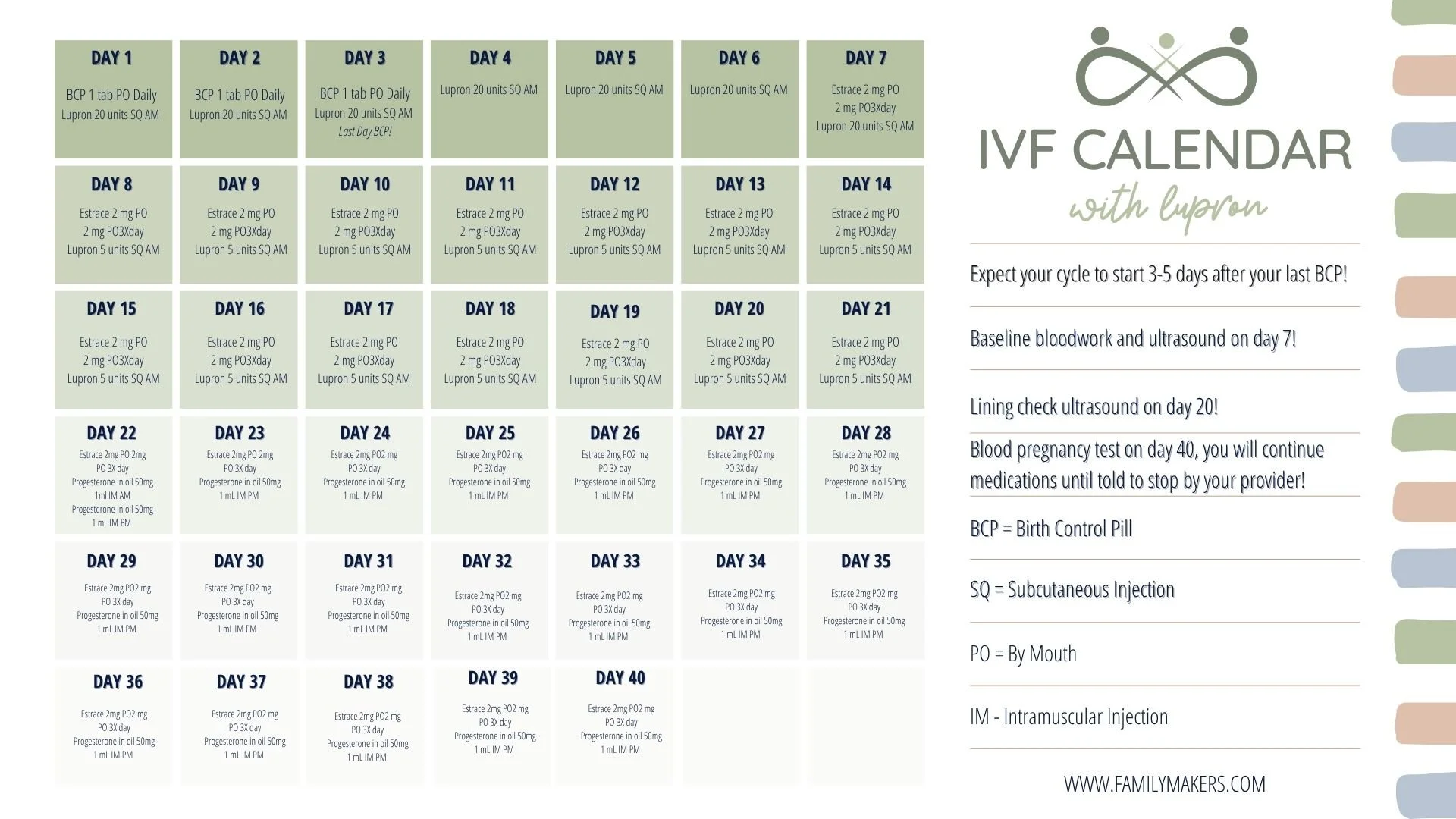
At a high level, the surrogacy journey includes these major phases: application and screening, matching with intended parents, legal contracts, medical preparation and embryo transfer, pregnancy, and delivery. Each of these steps involves professional support, including a surrogacy agency (like Family Makers), fertility clinic, attorney, and mental health professional.
We'll cover each of these phases in detail in upcoming blog posts. But for now, the most important thing to know is this: you won't be navigating any of it alone.
IS SURROGACY RIGHT FOR YOU?
That's a deeply personal question, and one that deserves a thoughtful, honest answer. If you've read this far and feel even a small spark of curiosity, we'd encourage you to keep reading, ask questions, and take your time. There's no rush, and there's no pressure.
At Family Makers, we're here to inform, support, and advocate for every woman who walks through our doors…whether she becomes a surrogate or not.
Ready to learn more? Explore our surrogate pages or reach out to us directly. We'd love to connect.
Related PAGE: For Surrogates